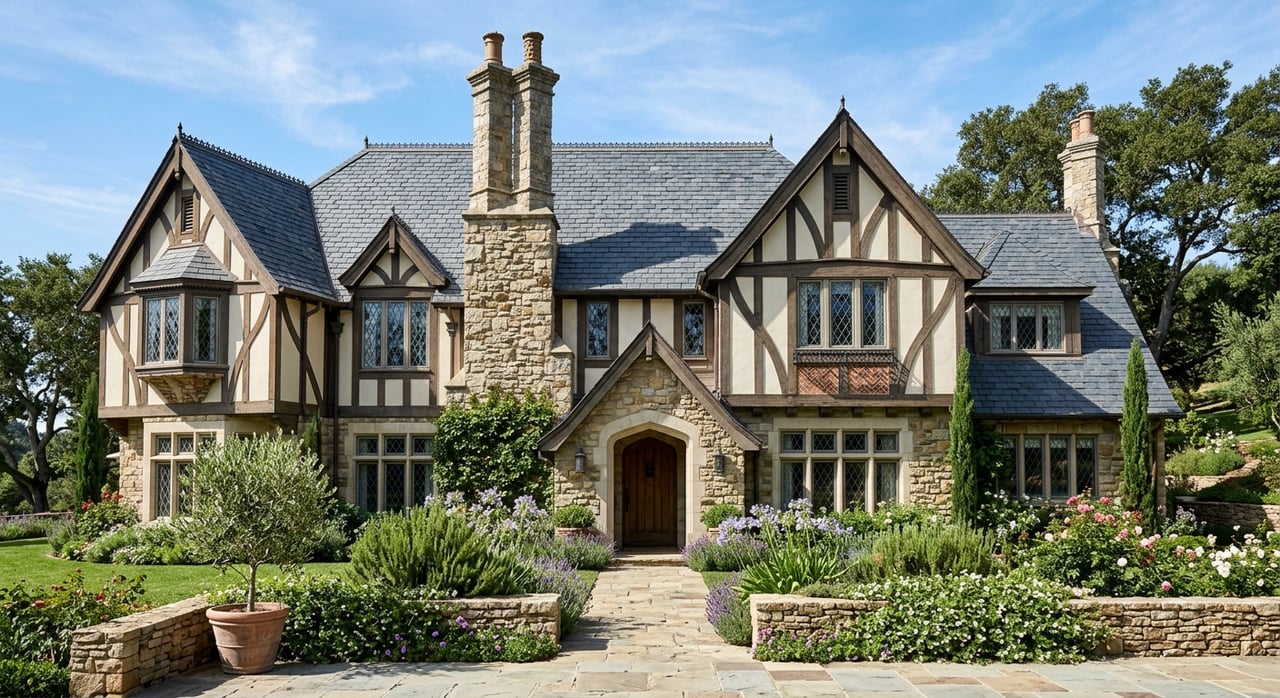
If you are drawn to Los Feliz luxury homes, you are probably responding to more than square footage or price point. This neighborhood stands out because its architecture feels layered, cinematic, and deeply tied to the land itself. When you understand the styles that shape Los Feliz, you can read a property more clearly, spot what gives it lasting appeal, and evaluate it with a sharper eye. Let's dive in.
Why Los Feliz Feels Architecturally Distinct
Los Feliz is often associated with beautiful revival-era homes, but the neighborhood is not defined by a single look. Public historic records show a broad mix of styles, especially within the Los Feliz Heights Residential Historic District, where one- and two-story single-family homes sit along curving hillside streets with irregular lots, mature vegetation, period street lights, and public stairways.
That setting matters as much as the houses themselves. In Los Feliz, slope, landscaping, and street layout amplify architecture. The result is a neighborhood where homes tend to feel composed, photogenic, and closely connected to their sites.
The historic fabric is strongest from the 1920s and 1930s, when Period Revival neighborhoods became a defining part of Los Angeles development. In Los Feliz, that means you see a consistent sense of scale and planning, but not a repetitive streetscape. Instead, the neighborhood blends Spanish Colonial Revival, Mediterranean Revival, Tudor Revival, Colonial Revival, French-inspired revival styles, Storybook, and Minimal Traditional influences.
Spanish Colonial and Mediterranean Revival
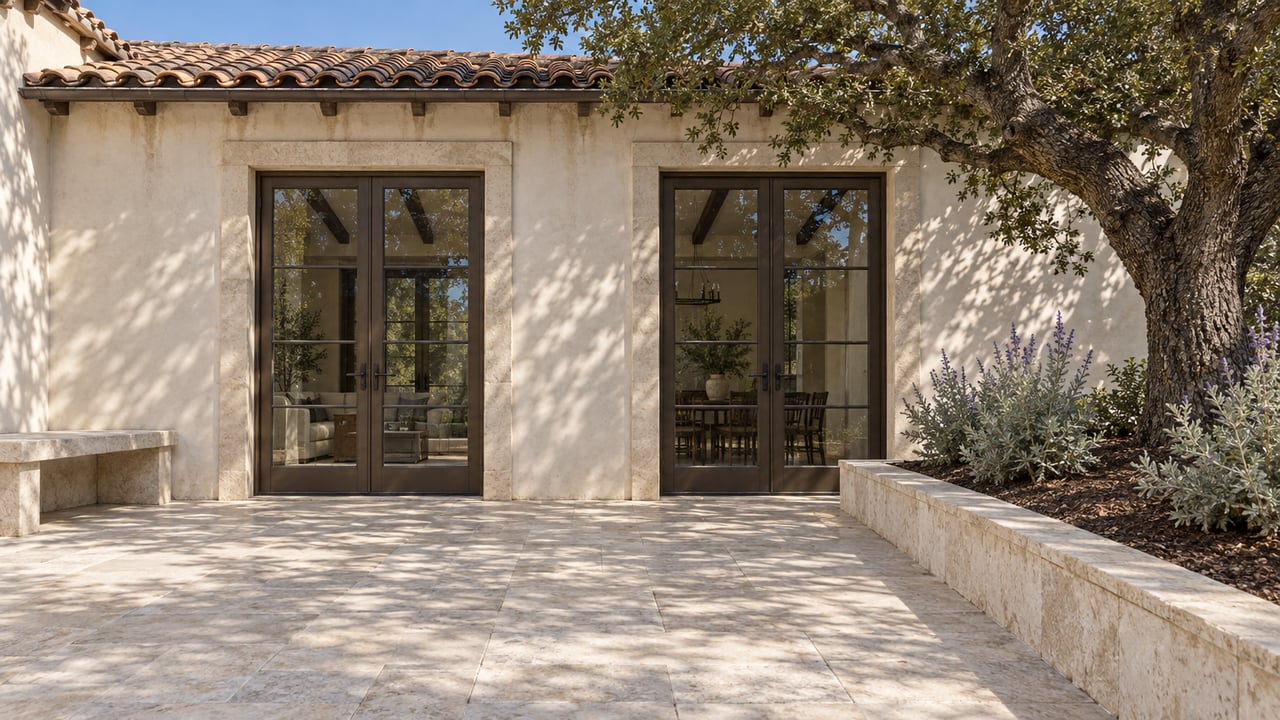
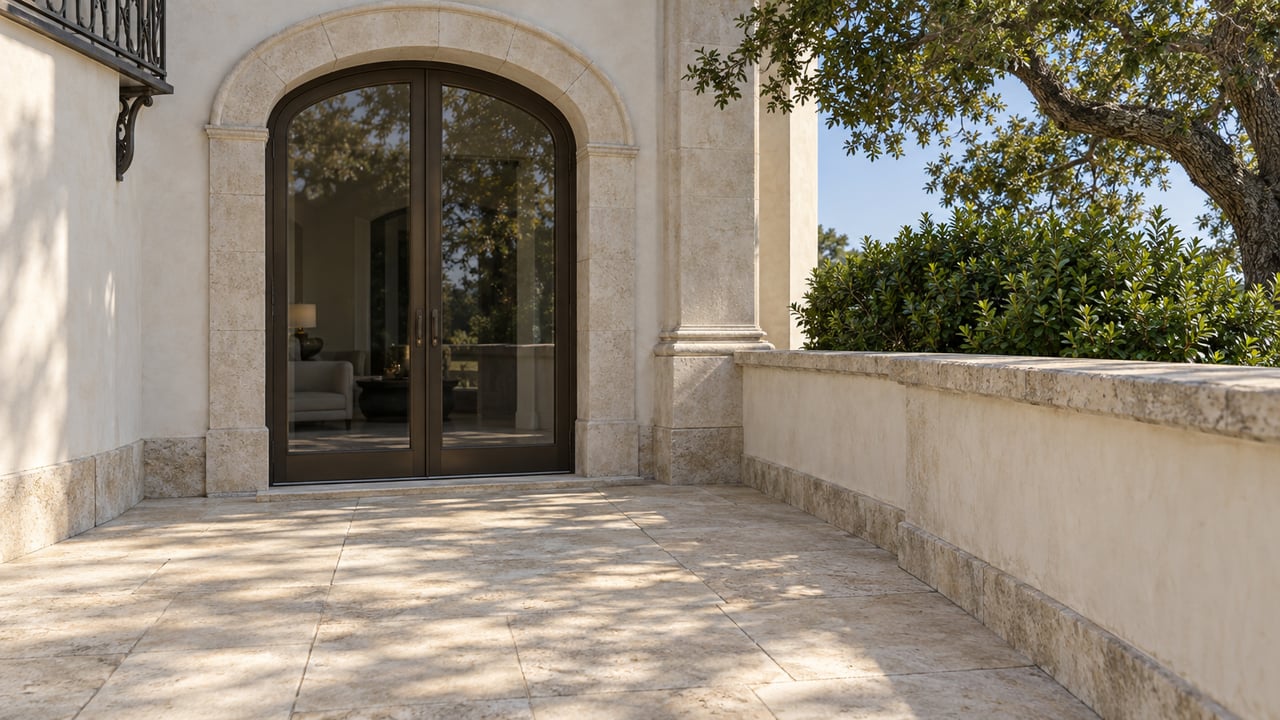
Among Los Feliz luxury homes, Spanish Colonial Revival and Mediterranean Revival are some of the clearest signatures. Historic documentation for the area points to hallmark elements such as stucco walls, clay tile roofs, arched openings, wood and iron balconies, shutters, and courtyard planning.
These homes often feel warm and grounded in the landscape. Their materials and massing work especially well on Los Feliz hillsides, where layered gardens, stairways, and elevated entries add depth and presence.
For buyers, this style often appeals because it balances romance and livability. For sellers, these homes tend to benefit from thoughtful presentation that highlights texture, symmetry, and indoor-outdoor flow rather than relying only on room count or finishes.
What to Notice in Revival Homes
When you tour a Spanish Colonial or Mediterranean property in Los Feliz, pay attention to details that shape its identity:
- Arched doors and windows
- Red clay tile roofing
- Stucco exterior surfaces
- Ironwork on balconies or gates
- Courtyard-oriented layouts
- Layered landscaping and terraces
In a luxury context, these details can influence how a home is perceived in photography, at showings, and in the broader market story around the property.
Tudor Revival's Richer, Textured Look
Tudor Revival offers a very different visual mood. In the Los Feliz Heights district and nearby historic apartment areas, documentation points to features such as brick chimneys, stone accents, half-timbering, gable roofs, and wood windows.
Compared with the smoother lines of Spanish-style homes, Tudor properties tend to present stronger shadow lines and a more textured exterior. They can feel more intimate from the street, with a sense of age and craftsmanship that appeals to design-minded buyers.
This style is especially important in Los Feliz because it adds contrast to the neighborhood's overall architectural mix. It helps explain why the area never feels one-note, even where homes were developed within the same broad historic era.
Why Tudor Homes Hold Attention
Tudor Revival homes often stand out for their layered materials and visual depth. In listing presentation and buyer perception, that can translate into several strengths:
- Distinctive rooflines
- Strong curb presence
- Decorative masonry and chimney work
- A more formal or storybook character
- A memorable exterior even on shorter frontages
In a neighborhood where architecture contributes heavily to value perception, those visual cues matter.
Mid-Century Modern Brings a Different Energy
While Los Feliz is best known for its revival-era fabric, the neighborhood also includes an important postwar modern layer. Historic district records identify Mid-Century Modern examples with flat roofs, rectangular or O-shaped plans, carports, pools, cantilevered balconies, concrete screens, and flush-mounted aluminum or steel windows.
These homes read very differently from revival properties. They tend to feel more open, horizontal, and view-conscious, which makes sense in a hillside setting where terraces, decks, and sightlines can become central design features.
The Milt Davis House on Nottingham Avenue, identified as one of Ed Niles' earliest designs, reflects this modern side of Los Feliz through redwood siding, open decks, and siting that responds to views. That kind of architectural thinking reinforces the idea that Los Feliz luxury is not limited to traditional forms.
Hollywood Regency and Apartment Glamour
Hollywood Regency is not the dominant single-family language in Los Feliz, but it does appear in the neighborhood's later multi-family architecture. Historic documentation for the Los Feliz Boulevard Courtyard Apartments Historic District identifies buildings described in Minimal Traditional and Hollywood Regency terms, along with later influences from Late Hollywood Regency.
The City of Los Angeles describes Hollywood Regency as a conservative, historicist form of modernity that later became more expressive in the postwar period. In practical terms, that helps explain why the style often reads as polished and glamorous.
For anyone studying Los Feliz architecture, this matters because luxury in the neighborhood has never been confined to detached estates alone. Design pedigree, courtyard planning, and strong exterior character have long shaped the area's appeal across different property types.
Wrightian Landmarks Broaden the Story
Los Feliz would not have the same architectural reputation without its Frank Lloyd Wright landmarks. Hollyhock House, Wright's first Los Angeles commission, is listed as Mayan Revival/Modern and was conceived as the centerpiece of an artists' colony on Olive Hill. The Ennis House on Glendower Avenue, listed as Mayan Revival/Wrightian, is Wright's last and largest textile-block house in Los Angeles.
These properties do more than add prestige. They broaden the neighborhood's identity beyond Period Revival and give Los Feliz a stronger experimental, design-forward profile.
For luxury buyers and sellers, that context matters. It places Los Feliz within a larger architectural conversation, one tied not just to beauty but to provenance, authorship, and cultural significance.
Why the Streetscape Matters So Much
Part of what makes Los Feliz luxury homes so memorable is the relationship between architecture and setting. The hillside terrain creates curving streets, sloping sites, irregular lots, mature vegetation, and layered sightlines that change your experience of a home from one block to the next.
In the village and courtyard-apartment areas, scale and siting also play an important role. Historic records note views toward Griffith Observatory, inward-facing courts, concentrated window placement toward landscaped areas, and garages often positioned so they are less visible from the street.
That combination creates a neighborhood that photographs exceptionally well. Whether you are looking at a revival estate, a courtyard property, or a modern hillside residence, Los Feliz tends to reward architecture that works with terrain, planting, and perspective.
Common Threads Across Los Feliz Styles
Even with so much variety, several qualities repeat across the neighborhood:
- Strong relationship to the hillside
- Emphasis on landscape and approach
- Architectural character that reads clearly from the street
- Thoughtful massing and siting
- A sense of privacy shaped by terrain, courtyards, or setbacks
That is one reason Los Feliz continues to appeal to buyers who value design as much as location.
Historic Character and Ownership Considerations
If you are buying or selling in Los Feliz, architectural style is not only about aesthetics. Some properties and districts are documented historic resources, which can affect renovation plans, additions, demolition, and visible exterior changes.
The City of Los Angeles notes that projects within an HPOZ generally require administrative clearance or an entitlement and must comply with the relevant Preservation Plan. The city also notes that ZIMAS can be used to determine whether a parcel is located within an HPOZ or other overlay.
For buyers, this means it is important to understand not just what a home looks like today, but what rules may shape future work. For sellers, preserved character can be part of a property's long-term value story, especially in a neighborhood where architectural integrity is such a major part of the appeal.
What Luxury Buyers and Sellers Should Take Away
In Los Feliz, luxury value is often tied to more than finishes or square footage. It can come from architectural identity, historic context, siting, and the way a property contributes to the neighborhood's visual fabric.
That is especially true in places like Los Feliz Heights, which was originally subdivided in 1921 and developed lot by lot with architect-designed homes. It is also true in the neighborhood's courtyard-apartment districts, where original massing, courtyard planning, and character-defining elements still read clearly from the street.
If you are evaluating a Los Feliz property, the right question is not simply, "What style is this?" A better question is, "How does this home express the qualities that make Los Feliz special?" That answer often tells you far more about desirability, presentation strategy, and long-term market position.
When architecture, provenance, and presentation all matter, experienced guidance can make a real difference. If you are considering buying or selling a distinctive Los Angeles property, Josh Flagg brings deep luxury-market insight, design fluency, and a proven approach to representing singular homes.
FAQs
What architectural styles are most common in Los Feliz luxury homes?
- Los Feliz is especially known for Spanish Colonial Revival, Mediterranean Revival, and Tudor Revival homes, with additional examples of Mid-Century Modern, Minimal Traditional, French-inspired revivals, and other historic styles documented in local districts.
Why do Los Feliz homes have such strong visual appeal?
- Public historic records show that the neighborhood's hillside setting, curving streets, irregular lots, mature vegetation, courtyard planning, and preserved scale all help amplify the architecture.
Are Frank Lloyd Wright homes part of Los Feliz's identity?
- Yes. Hollyhock House and the Ennis House are major Los Feliz landmarks that broaden the neighborhood's reputation beyond standard revival styles.
What should buyers know about historic homes in Los Feliz?
- Some Los Feliz properties are within historic districts or other preservation contexts, which can affect visible exterior work, additions, and demolition review through City of Los Angeles processes.
Do modern homes fit naturally in Los Feliz?
- Yes. Although the revival-era layer is more dominant, documented Mid-Century Modern properties show that Los Feliz also supports a modern, view-oriented architectural vocabulary.
Why does architectural style matter when selling a Los Feliz home?
- In Los Feliz, style often connects directly to buyer perception, photography, provenance, and neighborhood context, all of which can influence how a luxury property is positioned in the market.